Largest study finds no safe level of alcohol for dementia risk
Oxford Population Health - 24-Sep-2025Even light drinking raises dementia risk, genetic evidence shows no protective effect
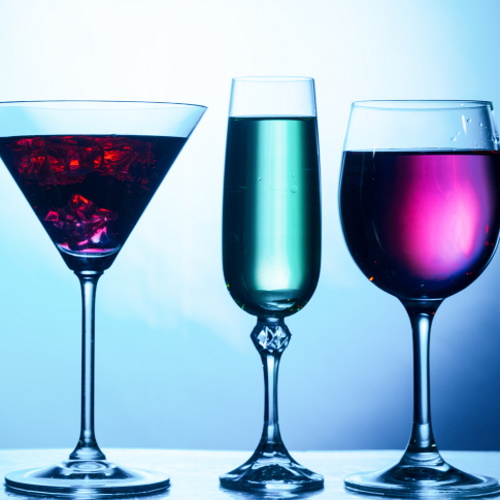
Even light drinking raises dementia risk, genetic evidence shows no protective effect

Stress-relief drinks may soothe in the moment, but science says the benefits are limited
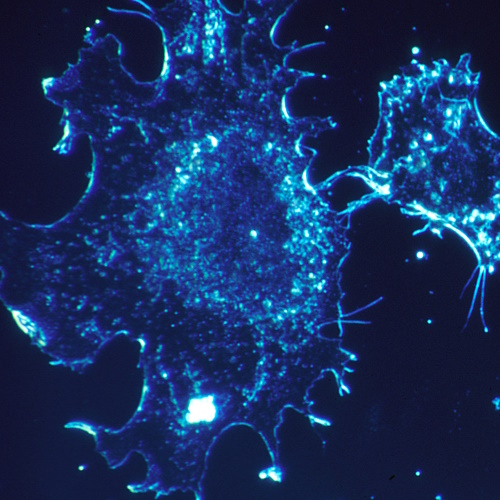
Without changes, liver cancer cases and deaths could nearly double by 2050
Liver disease surge tied to rising heavy drinking among women, older adults, and at-risk groups
Experts warn rising alcohol deaths are deepening health inequalities and demand urgent action
Early clinical trial finds the medication curbs cravings and cuts heavy drinking
Experts urge urgent action, citing Scotland's minimum pricing policy as a solution
Public health leaders advocate for stronger measures to reduce alcohol-related harm
Health advice should avoid recommending alcohol for any potential benefit
Sorry, yet another meta study showing no healthy level of alcohol consumption
Portion control solution to curb your overall alcohol intake
Safe level of alcohol is none, as moderate drinking also increases risk of death from disease & cancer
Effects of alcohol on DNA ageing are not limited to specific demographics
Systolic BP rose by 1.25 and 4.90 mm Hg for 12 and 48 grams of routine drinking, respectively
Daily drinking, binge drinking, and drinking outside of mealtimes significantly increased the risk
It is best to avoid alcohol altogether or limit consumption to very occasional, light drinking
High access to non-alcoholic alternatives may notably reduce alcohol purchases
The study was observational, no cause and effect can be determined
Experts debate on risk versus enjoyment, however, people must be aware of the risks associated with long-term alcohol use
A 27% rise in alcohol-related deaths was reported during 2019-21, with more men affected than women
Alcohol consumption causes telomere shortening, leading to several age-related diseases
Dr Schutte suggests to reduce the recommended amount of alcohol by NHS
Stiffer arteries further elevate risk of heart disease and stroke, mainly in women
GrimAge clock presented accurate results on biological age than other epigenetic clocks
Intake of any alcoholic beverages linked to reduce grey matter volume - worsening brain function
A single drink a day can increase your risk of a stroke causing arrhythmia
These habits are associated with reduced risk of early death, CVD and liver disease
Perhaps all the benefits come their their increased physical activity - worth further investigation
Dry January can be prescribed to everyone, only benefits for your health, without any side effects
Artificial-sweetener drinks increase risk too, though for different reasons (but not carcinogenic)
Results can be a start for public health campaigns for replacing soft drinks with water
But don't get carried away and drink too much - no more than 14 units per week
Seedlip is served in more than 7,500 outlets, including more than 300 Michelin-starred restaurants
Drinking small amounts of alcohol looking less likely to be good for health
Is alcosynth to alcohol what vaping is to smoking?
Older, richer people drinking the most
Alcohol may protect against heart disease but it promotes many other chronic conditions
Alcohol abstinence leads to improved health and reduced insulin resistance
Heavy drinking cuts lifespan by years, while light drinking shows no added risk
Alcohol drives cancer by acetaldehyde-induced DNA damage, a Nature study finds
Alcohol linked to hippocampal shrinkage, though cognition largely unchanged in long-term study
BMJ study links 8–12 weekly drinks to hippocampal shrinkage and measurable cognitive decline
Moderate weekly drinking linked to lower heart risks, but findings are observational only
Moderate drinking shows no health benefit after full socioeconomic adjustment, study finds
Ethanol overstimulates hunger-driving hypothalamic neurons, mimicking starvation signals
Alcohol is a proven carcinogen; even moderate drinking raises cancer risk with no safe level
Hidden-risk over-50s struggle to monitor alcohol use, survey of 16,700 shows