Common sweetener xylitol linked to higher risk of heart attack and stroke
The Guardian - 28-Aug-2026Researchers say more studies are needed to understand the possible risk
Step one of living forever is staying healthy so this section covers key health topics and the latest research into common conditions and new therapeutic developments. Of particular interest are medical advances that reduce mortality rates – i.e. improving your chances of living long enough to live forever without you having to lift a finger!
The World Health Organization (WHO) defines health as "a state of complete physical, mental and social well-being and not merely the absence of disease or infirmity"
There are a handful diseases that cause most deaths in the western world (i.e. where we don’t have to worry so much about poverty, famine or natural disasters). So, anything you can do to prevent these will greatly improve your chance of living forever.
Read more about: Antibiotic Resistance, Big Pharma, Cancer, Diabetes, Heart Disease, Mental Health, Musculoskeletal, Respiratory Disease, Stroke.

Researchers say more studies are needed to understand the possible risk

Scientists trace aging research from myths to science, revealing how cells age and might be slowed
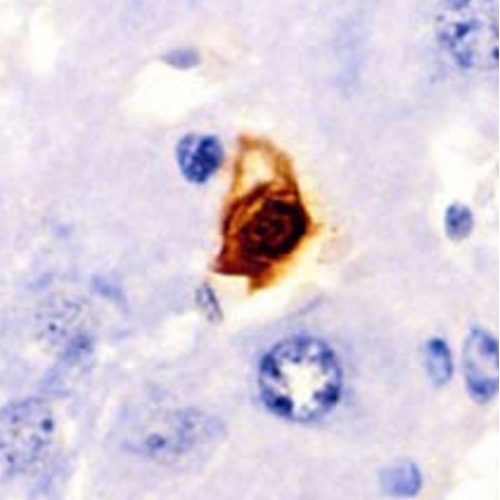
Damaged brain cells build up with age and release inflammatory chemicals

Bill Ackman is backing a major centre for neuroscience and brain health
Click on resource name for more details.



Longevity Roadmap Podcast- Tara Walker explores the intriguing subject of neurogenesis in adults


Longevity Roadmap Podcast- Judith Frydman explores proteostasis
Optispan podcast episode - Nicole Byrne explains why traditional reactive healthcare is falling short

Adrian reports back from a day of interesting talks in Oxford
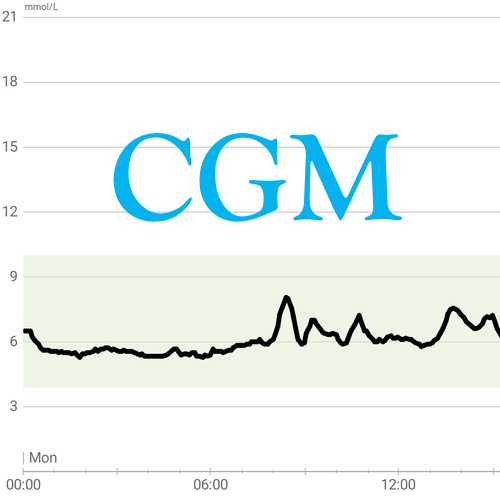
What can continuous glucose monitor graphs tell you about your diet?

Many biomarkers decline with age, but can you supplement to compensate and recover your health?

Including gene editing, immunotherapy, modified viruses, vaccines, personalised medicine, and nanotechnology
