Scientists are developing smart red blood cells that could improve oxygen delivery
Genetic Engineering & Biotechnology News (GEN) - 31-Aug-2026The technology is experimental but could eventually have wider health uses

The technology is experimental but could eventually have wider health uses
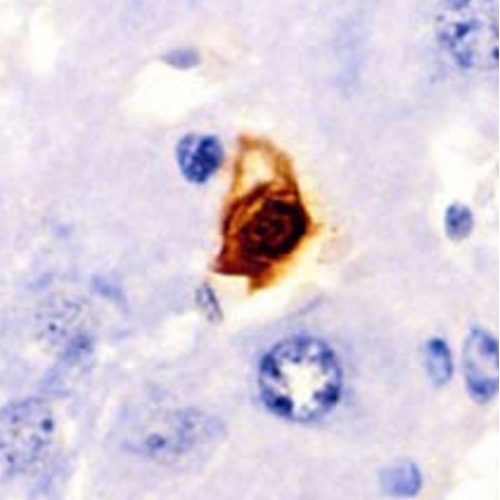
Scientists need better ways to target these cells and understand who could benefit
Scientists trace aging research from myths to science, revealing how cells age and might be slowed
Damaged brain cells build up with age and release inflammatory chemicals

These models could eventually help them test ideas for new treatments
Finalists will test therapies designed to preserve muscle, brain and immune health
The experimental approach could allow doctors to change treatment levels later

This may live can help people make better decisions about protecting their populations
The aim is to make better choices early, before spending years developing a new medicine

Researchers say the technology could one day help repair damaged tissues
No species in nature removes CML – so this is a totally novel technique
Bill Ackman is backing a major centre for neuroscience and brain health

Researchers still need more long-term studies to separate cause from coincidence
Technology combines health scans and data to spot potential health risks before symptoms appear
Scientists are testing a longevity gene linked to healthy ageing
The results are early and do not show slower natural aging

New treatment aims to improve the body's natural defences
Matt Kaeberlein posts his latest views on LinkedIn
A major new investment will help the anti-ageing biotech test whether old cells can be partly reset to treat age-related illness
Making aging optional will require collaboration at every level of society
Pandorum Technologies secures new funding to develop “programmable” treatments that could repair damaged eyes and other organs
Why the organisation is cutting jobs to focus on using artificial intelligence to tackle disease
Life Biosciences will test a powerful gene-based treatment for glaucoma, marking the first attempt to partially reverse ageing in people
DeepMind's AlphaGenome predicts how DNA mutations affect human health

Merge Labs is developing a non-invasive brain-computer interface