Young Blood Can Rejuvenate Old Brains w/ Dr. Tony Wyss-Coray
Longevity Roadmap Podcast- Tony Wyss-Coray on his groundbreaking work in brain resilience and ageing
In this episode of Longevity Roadmap, host Buck Joffrey speaks with Dr. Tony Wyss-Coray, a Stanford neurologist whose groundbreaking work helped reveal that molecules circulating in blood can influence how the brain ages. Their conversation explores how young blood rejuvenates old brains, what proteomics can tell us about aging, and the emerging possibilities for predicting and treating age-related cognitive decline.
Key Points:
Aging is influenced by proteins circulating in our blood, and many are now measurable through advanced proteomics. These molecular fingerprints can predict cognitive decline, organ-specific risk, and even longevity. Emerging therapies—from plasma fractions to personalized organ-age diagnostics—could transform how we prevent and treat age-related diseases.
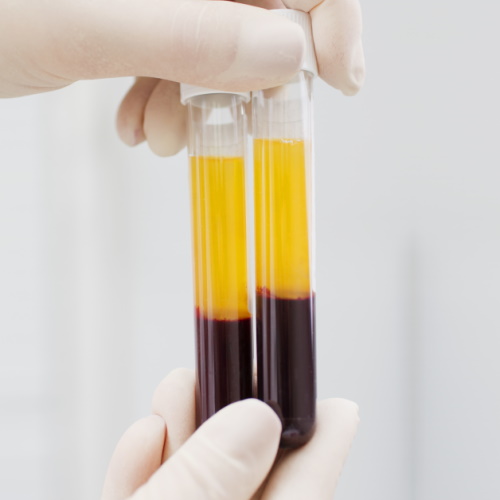
- Young Blood, Old Brains- The Discovery: Dr. Wyss-Coray’s early research showed that old mice exposed to young blood regained youthful molecular and cognitive features. This sparked the idea that aging is at least partly reversible and influenced by circulating proteins rather than just fixed genetic programs.
- Proteomics Reveals Aging “Fingerprints”: By measuring thousands of proteins from tiny blood samples, researchers can detect patterns that differ by age, disease, and resilience. These proteomic signatures act like “molecular fingerprints,” helping scientists predict who might develop Alzheimer’s, kidney disease, or heart disease years before symptoms appear.
- Predicting Brain Aging and Disease Risk: Long-term datasets (like the UK Biobank) allow scientists to match protein profiles to future health outcomes. Certain proteins tied to synapse formation strongly predict whether someone will stay cognitively resilient or decline. Brain “biological age” is emerging as one of the strongest predictors of overall longevity.
- Plasma Therapies and Parabiosis-Inspired Treatments: Parabiosis (linking two animals’ circulatory systems) shows that young plasma can rejuvenate aging tissues. Clinical trials are investigating whether plasma fractions—or simply removing “old” harmful proteins—can help humans with Alzheimer’s or Parkinson’s. While no single “youth factor” has been identified, multiple proteins working together appear to drive the rejuvenating effects.
- Lifestyle, Hormones, and Organ Age: Large datasets show lifestyle influences organ aging: smoking and excess alcohol accelerate aging, while estrogen therapy, fish consumption, and healthier habits are linked to younger biological organs. New tools under development aim to measure the biological age of specific organs, enabling personalized prevention and early intervention.
Visit website: https://www.youtube.com/watch?v=PS_oq-xP83Q
See also
Longevity Roadmap Podcast
Podcast on science-backed strategies to slow aging and boost health with Buck Joffrey
Details last updated 04-Dec-2025
Mentioned in this Resource