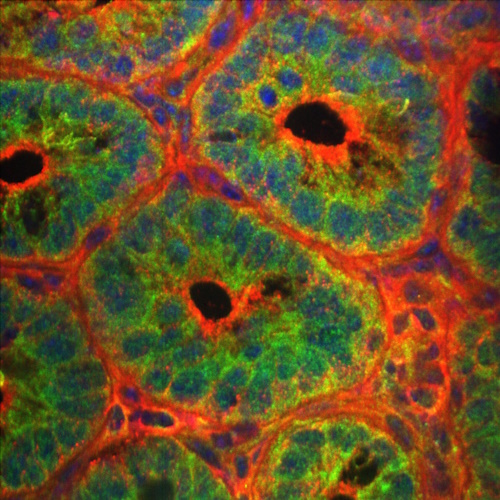
Improving Cellular Cleanup to Extend Healthspan with Dr. Ana Maria Cuervo

Longevity Roadmap Podcast- Ana Maria Cuervo highlights the age-related decline of CMA
In this episode, host Buck Joffrey speaks with Dr. Ana Maria Cuervo, a pioneering cell biologist who co-discovered chaperone-mediated autophagy (CMA)—a highly selective cellular cleanup and recycling pathway. Together, they explore why cellular “cleaning” declines with age, how this decline contributes to diseases like Alzheimer’s, and what science is revealing about restoring healthy autophagy through drugs and lifestyle strategies.
Key Points:
Dr. Ana Maria Cuervo explains how chaperone-mediated autophagy serves as a crucial quality-control system that weakens with age. Its decline contributes directly to fat metabolism problems and neurodegenerative diseases as misfolded proteins accumulate. Both targeted drugs and everyday lifestyle habits show strong potential to restore cellular cleanup and extend healthy lifespan.
- What CMA Is & Why It Matters: CMA acts as a selective recycling system that identifies and removes damaged proteins. Rather than random cellular “garbage disposal,” CMA evaluates which proteins misbehave and targets only those for breakdown.
- CMA Declines With Age—And Why: CMA activity drops as the receptors (“docking stations”) needed for cleanup become fewer and less stable. This decline varies by cell type and is influenced by both intrinsic aging and lifestyle factors such as diet, sleep, and exercise.
- Link to Neurodegenerative Disease: When CMA slows, misfolded proteins accumulate and can clog cellular recycling machinery—contributing to conditions like Alzheimer’s, Parkinson’s, and frontotemporal dementia. Early-onset mutations worsen this blockage effect.
- Restoring Autophagy Through Therapies: Dr. Cuervo’s lab has shown that genetically maintaining CMA in mice extends lifespan and improves frailty, metabolism, and brain health. They are developing small molecules that boost CMA by lifting natural “brakes” on the pathway, with promising results in animal models of neurodegeneration.
- Lifestyle Tools- Fasting, Diet, Sleep, Exercise: Intermittent fasting, lower sugar intake, adequate sleep, daytime eating, and regular exercise all help preserve CMA. Even moderate, consistent exercise activates CMA in muscle, which then benefits the rest of the body through systemic signals.
Visit website: https://www.youtube.com/watch?v=M0g8-bj-XvQ
See also
Longevity Roadmap Podcast
Podcast on science-backed strategies to slow aging and boost health with Buck Joffrey
Details last updated 11-Dec-2025
Mentioned in this Resource

Ana Maria Cuervo
Professor in the Departments of Developmental and Molecular Biology and of Medicine of the Albert Einstein College of Medicine.