How Mitochondrial Decline Drives Brain Aging

Longevity Roadmap Podcast- Francisco González-Lima examines how metabolism affects brain aging
Longevity Roadmap hosts a deep scientific dive with Dr. Francisco González-Lima, exploring why the brain’s energy system falters with age and how this drives cognitive decline. The episode explains the central role of mitochondria, cytochrome oxidase, and emerging interventions like methylene blue and near-infrared light therapy.
Key Points:
Mitochondrial decline, driven by reduced cytochrome oxidase activity, underpins much of brain aging and early cognitive impairment. Targeted therapies such as low-dose methylene blue and near-infrared light show promise in restoring metabolic capacity and improving cognition. The episode reframes dementia as a metabolic disorder, suggesting new paths for prevention and treatment.
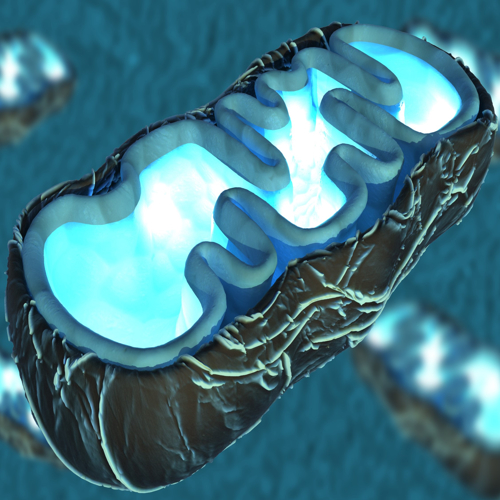
- Brain Energy Declines with Age: González-Lima explains how mitochondria—particularly the enzyme cytochrome oxidase—lose efficiency over time, reducing the brain’s ability to generate ATP and increasing vulnerability to oxidative stress.
- Free Radicals and Mitochondrial Damage: The electron transport chain naturally produces reactive oxygen species, but aging mitochondria generate more damage than they can repair, driving the gradual failure of neuronal metabolism.
- Cytochrome Oxidase as the Central Bottleneck: This rate-limiting enzyme determines how effectively oxygen is used to make energy. When its activity drops, mitochondria self-destruct, leading to metabolic deficits long before structural brain changes appear.
- Low-Dose Methylene Blue as a Metabolic Booster: At carefully controlled low doses, methylene blue supports electron flow inside mitochondria, enhances ATP production, and improves cognitive performance—while higher doses can be harmful.
- Near-Infrared Light Therapy (Photobiomodulation): Targeted 1064 nm near-infrared light penetrates the forehead and stimulates cytochrome oxidase to accelerate energy production. Research shows benefits in attention, working memory, mood regulation, and subjective memory complaints.
- Rethinking Dementia Through Metabolism: González-Lima argues that metabolic failure—rather than amyloid buildup—may be the earliest driver of cognitive decline. His work shows cytochrome oxidase deficits in Alzheimer’s brains independent of amyloid pathology.
Visit website: https://www.youtube.com/watch?v=5FENue61BNs
See also
Longevity Roadmap Podcast
Podcast on science-backed strategies to slow aging and boost health with Buck Joffrey
Details last updated 27-Nov-2025
Mentioned in this Resource