Red light can rapidly boost mitochondrial energy and support cellular health. Evidence suggests benefits for ageing, vision, and metabolism, especially in older adults. Used wisely, it may complement—but not replace—healthy lifestyle and natural daylight.
- Why red light matters: Humans evolved under sunlight rich in red and infrared wavelengths, but modern indoor LED lighting lacks this light, potentially impairing mitochondrial energy production.
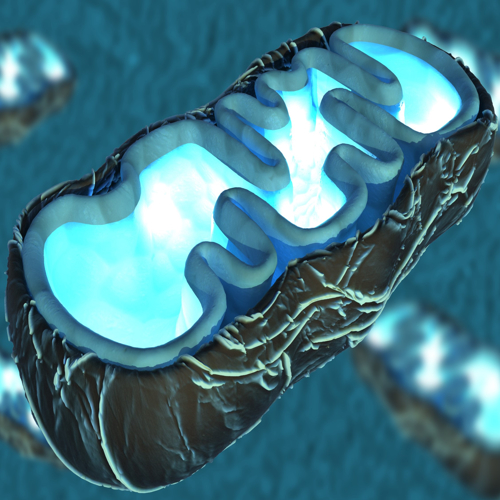
- Mitochondria and ageing: Red light enhances the efficiency of mitochondria—the cell’s energy “batteries”—which decline with age and drive inflammation and many age-related diseases.
- How it works biologically: Specific wavelengths of red light boost ATP production by improving electron flow in mitochondria, rapidly increasing cellular energy in a way supplements cannot match.
- Evidence from animals and humans: Studies in flies and bees show improved health span, while human research suggests benefits for vision, mitochondrial disease, glucose control, and metabolic health.
- Practical use and limits: Short daily exposure, especially in the morning, appears most effective; red light is promising but not a substitute for time outdoors, and exaggerated commercial claims should be treated cautiously.
Does Red Light Improve Mitochondrial Health?

Longevity Roadmap Podcast- Buck and Glen Jeffery explore the science behind red light therapy in depth
In this episode of Longevity Roadmap, Buck Joffery speaks with Professor Glen Jeffery, a neuroscientist at University College London, about whether red and near-infrared light can improve mitochondrial function, slow ageing, and support overall health.
Key Points:
Visit website: https://www.youtube.com/watch?v=mPkk5reawN0
See also
Longevity Roadmap Podcast
Podcast on science-backed strategies to slow aging and boost health with Buck Joffrey
Details last updated 13-Dec-2025
Mentioned in this Resource

Topics mentioned on this page:
Mitochondria