Hematopoietic Stem Cells: The Hidden Engines of Human Ageing
For as long as people have told stories, they’ve imagined elixirs of youth—mystical potions capable of restoring vitality and extending life. Today, the promise of rejuvenation is no longer confined to myth: it fuels a global longevity industry worth more than $42 billion. But while anti-ageing diets and supplements flood the market, scientists are increasingly focused on a different target—our blood.
A new perspective article by researchers at the University of Helsinki and the Karolinska Institutet argues that the blood system, and especially the stem cells that maintain it, may hold the key to slowing, and perhaps even reversing, systemic ageing.
Why We Age—and Why It Matters
Ageing is often described as a gradual, time-dependent decline in physiological function. Behind the visible signs lie complex biological processes: stem cell exhaustion, inflammation, genomic instability, and mitochondrial dysfunction, among many others. Efforts to extend lifespan fall short if health span—the years lived without chronic disease—doesn’t rise in parallel. Currently, this gap is widening worldwide.
But interestingly, humans’ relatively long lifespan may have evolved because older individuals support younger generations. Examples such as the “grandmother effect” show that elders improve the survival of grandchildren, contributing genetic advantages that favor longevity. Still, no matter the evolutionary benefits, modern societies face significant economic and healthcare burdens as people live longer but not healthier lives.
This raises a crucial question: if we are to intervene in ageing, where should we begin?
A Surprising Culprit: The Ageing Blood System
The new research suggests that the blood system may be one of the most influential drivers of whole-body ageing. Hematopoietic stem cells (HSCs), which reside in our bone marrow, generate all blood and immune cells throughout life. Yet with age, these stem cells lose their regenerative power and become increasingly dysfunctional.
Some age-associated changes include:
- Functional decline: HSCs lose the ability to effectively replenish blood and immune cells.
- A shift toward inflammation: Older HSCs preferentially produce myeloid cells, which promote inflammation, while producing fewer adaptive immune cells.
- Clonal hematopoiesis: About 15% of people over age 70 carry mutations in their blood stem cell clones. These clones expand and increase the risk of blood cancers, heart disease, and stroke—raising mortality by 35%.
- Microenvironment deterioration: Ageing bone marrow becomes stiffer, more inflamed, and less supportive of stem cells.
These blood-based declines ripple outward. Reduced red blood cell production leads to anemia, T-cell decline impairs immunity, and inflammatory changes accelerate diseases in the heart, liver, kidneys, and even the brain.
Can Rejuvenating Blood Rejuvenate the Body?
Excitingly, a growing body of research demonstrates that restoring youthful function to blood or blood-forming cells can rejuvenate other tissues.
Young blood, old mice
Heterochronic parabiosis—connecting the circulatory systems of a young and an old mouse—shows dramatic effects. Old mice exposed to young blood show improved muscle repair, enhanced neurogenesis, and better removal of senescent cells. Meanwhile, young mice begin to exhibit signs of accelerated ageing.
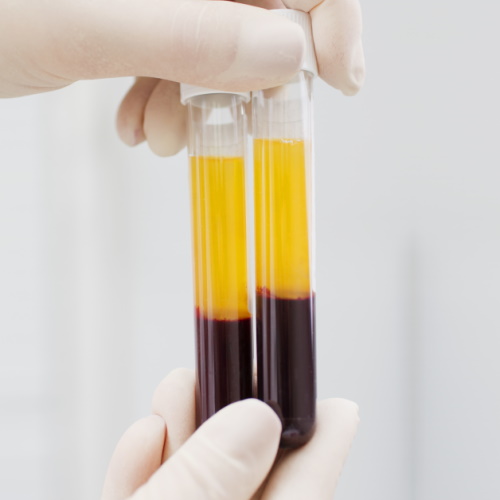
Plasma exchange
Replacing old plasma with saline and albumin in humans reduces inflammatory markers, DNA damage, and the ageing-associated myeloid bias in blood. In mice, it promotes muscle and liver rejuvenation.
Bone marrow transplantation
Transplanting young bone marrow into aged mice extends lifespan by up to 31%. It also improves bone healing, heart function, and even certain cognitive functions.
Rejuvenating Hematopoietic Stem Cells Directly
The most promising strategy, however, may be to rejuvenate the HSCs themselves. Scientists have already identified several methods:
Metabolic and molecular interventions
- Rapamycin, an mTOR inhibitor known to extend lifespan, restores balanced blood production and rejuvenates old HSCs.
- CASIN, a molecule that inhibits the ageing-related protein Cdc42, restores stem cell polarity and boosts immune cell formation, even extending lifespan in mice.
- Mitochondrial boosters like Urolithin A and MitoQ enhance energy balance and improve HSC performance.
Cellular reprogramming
A striking approach involves reprogramming aged HSCs into induced pluripotent stem cells and redifferentiating them. These “reset” HSCs behave like youthful cells, with restored gene expression and improved blood-building capacity.
Targeting the ageing niche
Rejuvenating bone marrow itself—by softening the extracellular matrix, restoring nerve signals, or replenishing endothelial cells—can significantly improve the function of old HSCs.
Implications: A New Era of Regenerative Longevity
One of the most compelling insights from recent work is that rejuvenating blood and immune cells may benefit far more than the circulatory system. Immune ageing is a major driver of organ failure, cancer risk, and frailty. By targeting HSCs, we may protect the entire body.
In adults, autologous HSC transplants already treat autoimmune disorders, improve heart and skin repair, and slow progression of certain neurological diseases. Engineered HSCs could one day provide long-lasting immunotherapies for cancer or fibrosis.
While many rejuvenation strategies have so far been tested only in mice, the evidence paints a compelling picture: the blood system is not just a mirror of ageing—it is a regulator of it.
The Takeaway
Longevity science often focuses on the brain, muscles, or metabolism, but this research reframes the conversation. If ageing is a symphony of declining systems, then the blood may be its conductor. Restoring youthful function to hematopoietic stem cells could help recalibrate the entire body, extending not just how long we live—but how well.
In the search for an “elixir of life,” it may turn out the answer was circulating in our veins all along.
The study is published in the journal FEBS Letters . It was led by Jette Lengefeld from University of Helsinki, Finland.