On April 8, the streets of Madrid were not the scene of an ordinary protest. Citizens, scientists, entrepreneurs, and healthcare professionals gathered for the Longevity March, a global mobilization that connected Madrid simultaneously with major cities such as Brussels, London, Paris, and Berlin in Europe; Caracas, Mexico City, and San Francisco in the Americas; and Abu Dhabi and Tel Aviv in the Middle East, even during the current war in the region. The message was clear and urgent: aging must be treated as a global political and scientific priority.
This unprecedented initiative brought together organizations, researchers, and civil society under a shared vision—that aging is not an inevitable fate but a biological process that can be understood, treated, and eventually reversed. The march, promoted by Fund Longevity in collaboration with the International Longevity Alliance and other partners, highlighted a powerful and sobering statistic: more than 110,000 people die every day worldwide from age-related causes. This figure represents the greatest humanitarian challenges of our time.
In Spain, like most OECD countries, the reality is particularly striking. Around 90% of deaths are linked to age-related diseases such as cancer, cardiovascular conditions, neurodegeneration, and metabolic disorders. These deaths vastly outnumber those caused by accidents, violence, conflicts, or pandemics, which together account for less than 10% of total mortality in most European countries. Aging, therefore, is not just a biological phenomenon; it is the primary risk factor behind nearly all major causes of death.
During the April 8 mobilization, spokespersons delivered a strong message to policymakers and institutions. If organizations like NATO recommend allocating at least 2% of GDP to military defense, why should governments not commit a similar percentage to defending life and health? Investing in longevity is not a luxury or a futuristic dream; it is an economic and social necessity. The sustainability of public healthcare systems, pension structures, and labor markets depends on our ability to extend healthy lifespan and reduce the burden of chronic diseases.
Longevity science is advancing rapidly, and what once belonged to science fiction is now entering the realm of clinical reality. According to experts and organizations involved in the movement, clinical trials aimed at rejuvenating human tissues are already beginning. One of the most promising areas involves regenerative therapies based on the groundbreaking discoveries of Nobel Prize-winning biologist Shinya Yamanaka, whose work on cellular reprogramming opened the door to reversing aging at the cellular level. Initial clinical trials are expected to focus on restoring vision and rejuvenating eye tissues, offering hope for patients suffering from age-related blindness.
The roadmap is becoming increasingly clear. What starts with eye regeneration could soon expand to the repair of liver tissue, kidneys, lungs, and hearts, and eventually the brain itself. Advances in gene therapy, stem cells, artificial intelligence, nanotechnology, and personalized medicine are converging to create a new paradigm in healthcare—one that shifts the focus from treating diseases to preventing and reversing the biological processes that cause them.
The implications of this shift go far beyond medicine. A world in which aging becomes treatable would transform economies, social structures, and human potential. Longer and healthier lives would allow individuals to remain productive, creative, and engaged in society for decades beyond current expectations. Healthcare costs would decrease as chronic diseases decline, while innovation and knowledge accumulation would accelerate thanks to longer professional and intellectual lifespans.
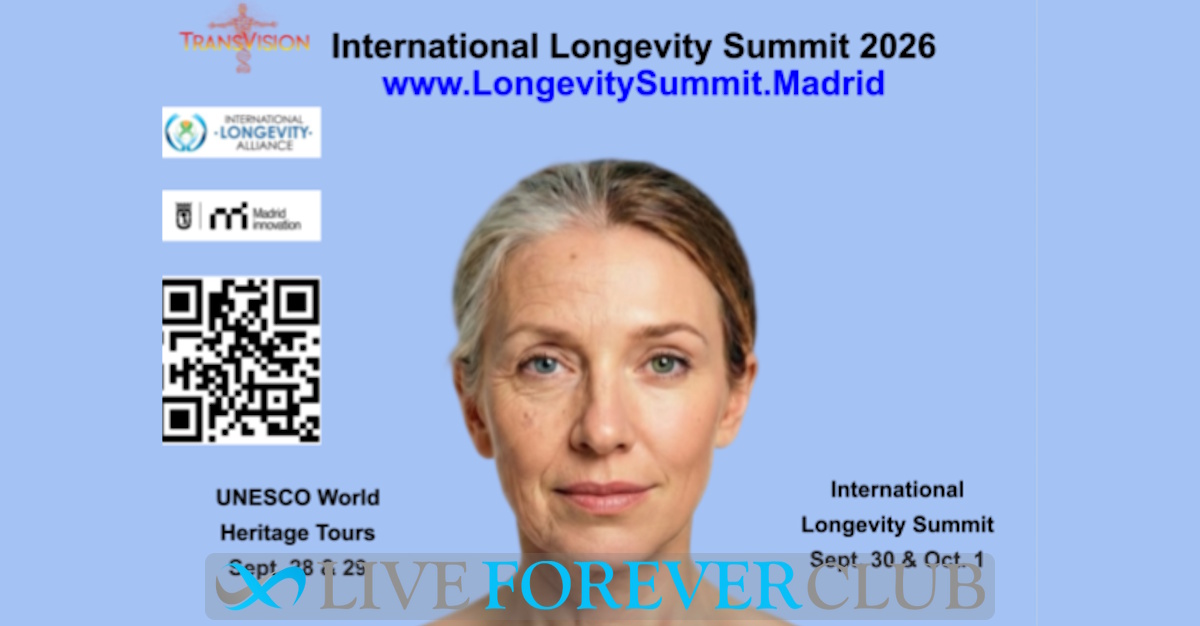
If the April 8 march represented the starting signal, the next major milestone is already on the horizon. Madrid is preparing to consolidate its position as the European capital of longevity by hosting the International Longevity Summit, scheduled to take place from September 28 to October 1 at the prestigious Ilustre Colegio Oficial de Médicos de Madrid (ICOMEM, College of Medical Doctors of Madrid). This global event aims to bring together leading scientists, entrepreneurs, investors, policymakers, and medical professionals to accelerate the development of solutions that could redefine the future of human health and longevity.
The summit will not be merely a theoretical conference or an academic gathering. It will serve as a platform for real collaboration and action, where the world’s leading experts in biotechnology, regenerative medicine, artificial intelligence, and health innovation present concrete advances and clinical progress. It will also provide a unique opportunity for governments, private investors, and the medical community to align their efforts and create a coordinated strategy to tackle aging as a medical condition.
Such initiatives are part of a growing international movement that recognizes longevity as one of the defining challenges of the 21st century. Across Spain, Europe and the world, conferences, research centers, and innovation forums are increasingly focused on healthy aging and life extension, reinforcing the idea that humanity is entering a new era in biomedical science.
The message emerging from Madrid is both hopeful and urgent: making aging optional will require collaboration at every level of society. Scientists must continue advancing research, governments must support innovation and regulatory progress, investors must fund transformative technologies, and citizens must demand that health and longevity become a central political priority.
The Longevity March demonstrated that society is ready for this paradigm shift. People from different backgrounds, countries, and disciplines came together to defend a simple but powerful idea: aging should no longer be accepted as an unavoidable cause of suffering and death. Instead, it should be treated as a medical condition that can be addressed through science and innovation.
Now, the International Longevity Summit extends an invitation to researchers, policymakers, entrepreneurs, and citizens around the world to become part of the solution. The goal is not merely to add years to life, but to add life to years—ensuring that longer lifespans are accompanied by health, vitality, and dignity.
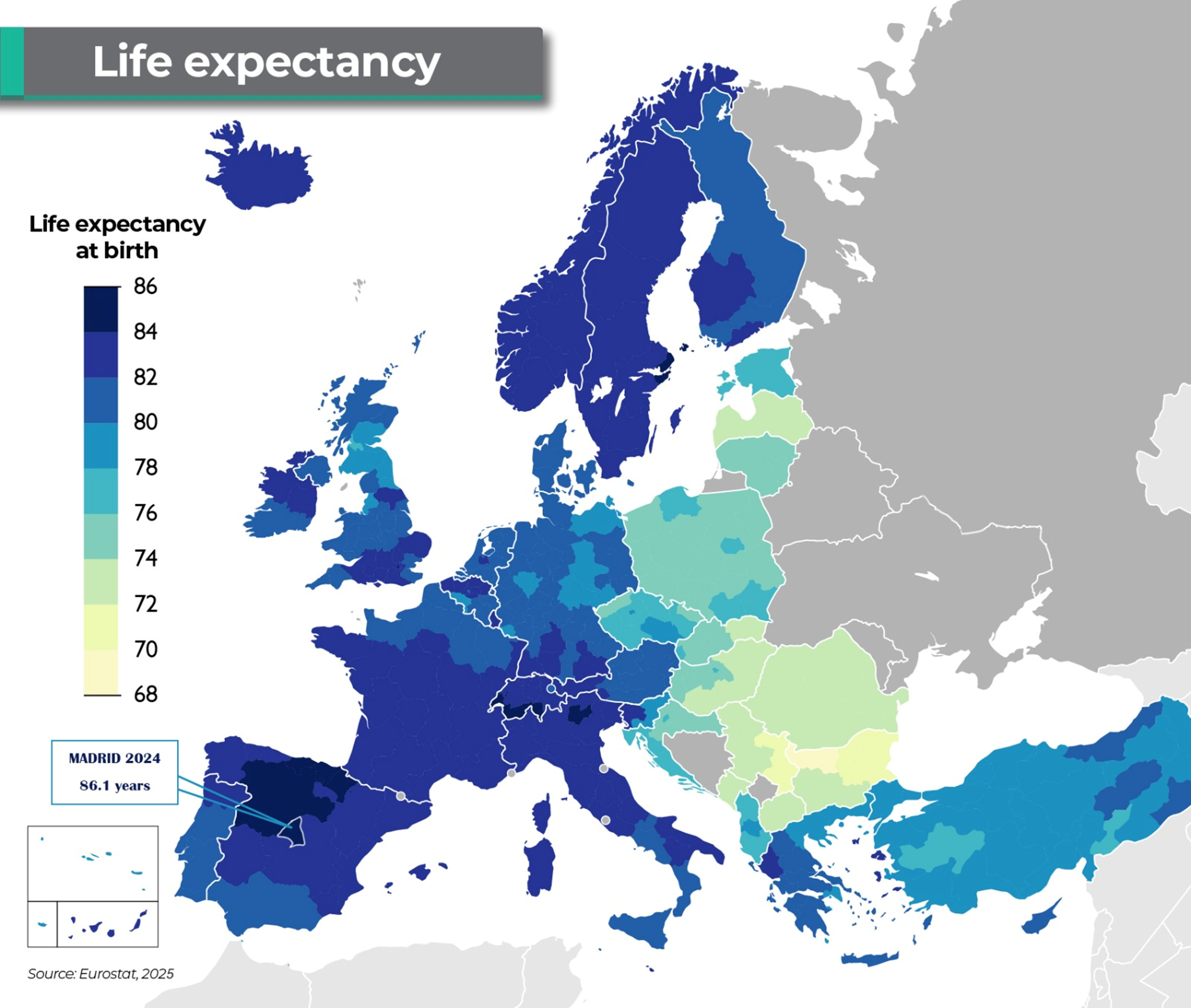
Madrid has already taken the first steps on this journey toward the future, as the capital with the longest life expectancy in the European Union, with 86.1 years today at birth. The clock is ticking, but the momentum is growing. The end of aging may not happen overnight, but the path has been opened, and the direction is clear.
The question now is simple and powerful: Will you join us in Madrid for the next International Longevity Summit?
International Longevity Summit (www.LongevitySummit.Madrid)
Article written by José Cordeiro, Director, International Longevity Alliance (www.LongevityAlliance.org)