Frailty grows as we age. It weakens the body and makes life harder. Scientists want to understand this process in clear ways. They hope to predict frailty before it becomes severe. This paper explores how DNA methylation clocks can track biological age and link it with frailty. The research brings new insight into ageing and early risk detection.
DNA methylation clocks offer a way to study ageing inside cells. They measure small chemical marks on DNA. These marks change as we grow older. They help predict health status better than simple time based age. This field moves fast. Many new clocks appear every year. This paper reviews the latest evidence and explains their links with frailty.
This review covers twenty four studies and over twenty eight thousand participants. The research teams looked at many methylation clocks. They compared first generation clocks, second generation clocks, and third generation clocks. They studied how these clocks link with frailty in different settings. They also tested the predictive strength of each clock over time.
The findings show that not all clocks work equally. Some clocks show no link with frailty. Other clocks show strong and stable links. GrimAge stands out. It predicts frailty better than many other clocks. It also predicts future increases in frailty.
This blog explains these findings in clear language. It breaks down the science and shows what it means for ageing research.
Understanding Frailty
Frailty grows when many body systems weaken at once. It leads to slower movement. It lowers strength. It raises the chance of falls, hospital visits, and disability. Frailty does not follow age in a simple line. Some older adults stay strong. Others decline faster.
Scientists measure frailty in two common ways. One method counts health deficits. The more deficits a person has, the higher the frailty index. The other method uses the frailty phenotype. This method checks grip strength, walking speed, weight loss, tiredness, and activity level. Other tools also exist and capture wider social or mental factors.
Frailty gives a clear picture of overall ageing. It reflects deep biological changes. This makes it useful for testing links with DNA methylation clocks.
What DNA Methylation Clocks Measure
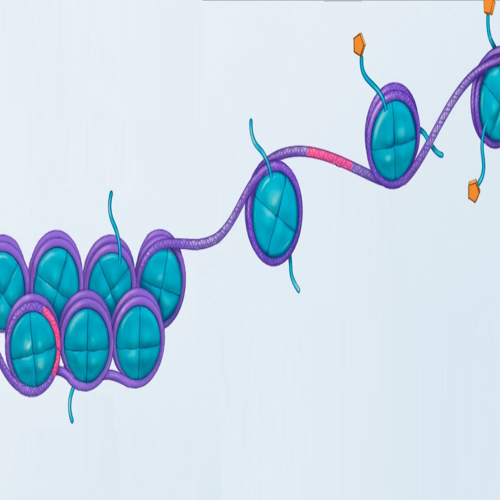
DNA methylation clocks track a form of chemical change on DNA. These changes happen across life. They shape how genes behave. They also respond to stress, lifestyle, and disease.
Scientists group these clocks into four generations.
First generation clocks measure patterns that reflect time based age. They include the Horvath clocks, the Hannum clock, and others. These clocks show how long a person has lived but not always how well they aged.
Second generation clocks look deeper. They link methylation with health markers, mortality risk, and disease risk. PhenoAge and GrimAge belong in this group. They offer stronger insight into life quality and ageing speed.
Third generation clocks measure the pace of ageing. They track how fast damage builds in the body. DunedinPoAm and DunedinPACE belong here.
Fourth generation clocks aim for causal signals. They connect methylation with true biological damage and repair. They were not tested in this paper.
These clocks offer many ways to track ageing. Each clock reads a different part of the ageing process.
How Researchers Conducted the Review
The research team searched six major databases. They studied papers from 2011 to 2025. They included cross sectional and longitudinal studies. They selected adult samples, both healthy and disease specific. They required validated frailty tools and real methylation data from blood or similar tissue.
The team screened more than thirty four thousand records. Only twenty four studies met the strict criteria.
The sample included twenty eight thousand participants. The average age was around sixty five years. The group included many settings. Some studies followed healthy older adults. Others studied survivors of childhood cancer, people with HIV, or those awaiting liver transplant.
The researchers then extracted effect sizes. They checked how each clock linked with frailty. They also tested how clocks predicted changes in frailty over time.
The analysis followed high standards. It included influence tests, sensitivity tests, funnel plots, and three level models.
Findings for First Generation Clocks
Most first generation clocks did not link clearly with frailty. Horvath clocks often showed no clear association. Hannum EAA showed a small link with frailty. The link appears in some studies but not all. The pooled estimate showed a modest positive link.
First generation clocks measure time based age. They do not focus on health or damage. This may explain their weaker results.
The frailty process reflects multisystem decline. It grows faster in very old adults. It varies across people. A simple age based clock cannot capture these complex patterns.
Some disease groups showed stronger links. Childhood cancer survivors showed a link between PhenoAge deviation and frailty. Yet the common first generation clocks still showed mixed results.
Findings for Second Generation Clocks
Second generation clocks gave much clearer results. PhenoAge EAA showed a positive link with frailty. GrimAge EAA showed the strongest link among all clocks in this group.
GrimAge stands out for three reasons. It includes markers that track inflammation. It predicts mortality well. It links with muscle strength, cognition, and overall decline. These traits match frailty closely.
Meta analysis results show that higher GrimAge EAA means higher frailty. The link holds across many populations and frailty tools.
The Zhang mortality risk score also appears in the studies. It shows some links but not strong enough for clear results.
Second generation clocks reflect deeper biology. They integrate markers linked with death, disease, fitness, and inflammation. These markers shape frailty. This explains their stronger performance.
Findings for Third Generation Clocks
Third generation clocks measure ageing speed. They offer a rate rather than a point estimate. DunedinPoAm and DunedinPACE both measure this pace. The meta analysis combined both.
Higher ageing pace links with higher frailty across cross sectional studies. This suggests that frailty grows faster in individuals who age faster on a molecular level.
The link appears weaker in longitudinal tests. More studies are needed to confirm long term predictive value.
Yet the early signs suggest that ageing speed influences frailty risk.
Longitudinal Findings
Longitudinal studies measure future risk. They show which clocks predict increases in frailty.
Only one clock stood out. GrimAge EAA predicted future increases in frailty. The effect was small but stable. This suggests that GrimAge does more than reflect current health. It may capture ongoing damage that drives frailty progression.
PhenoAge and ageing pace did not show clear predictive power in the pooled analysis. Yet some single studies showed weak links.
Longitudinal data remain limited. More large studies are needed.
Why GrimAge Performs So Well
GrimAge includes methylation signals that reflect inflammation, smoking exposure, clotting risk, and protein markers linked to disease. These markers shape health in older age. They connect with muscle loss, cognitive decline, slow movement, and chronic disease.
Inflammation plays a major role in frailty. High IL6 and CRP levels appear often in frail adults. GrimAge tracks these signals in a stable way.
GrimAge also links with mortality. Frailty often signals higher mortality risk. This shared path strengthens the link.
Recent studies show that GrimAge correlates with physical performance measures across the life span. It outperforms many clocks in this area.
This makes GrimAge a strong tool for frailty research.
Limitations in the Current Field
The paper notes several limits.
Different studies used different frailty tools. Some used the frailty index. Others used the phenotype. These tools capture different aspects of frailty. This limits comparison.
Many studies used small samples. Few included very old adults. Frailty grows most sharply in the oldest age groups. Data from that group would add value.
Some studies did not adjust for cell composition. Blood contains many cell types. Their proportions shift with age and disease. This shift may affect methylation patterns.
Few studies used principal component clocks. These clocks reduce noise and improve reliability. More work is needed in this direction.
Disease specific populations showed many unique patterns. They were too different to combine in a single meta analysis.
And finally, no causal studies exist yet. We do not know if methylation age drives frailty or the reverse.
What Future Research Should Do
Future studies need large and diverse samples. They should use standard frailty tools. They should include the oldest adults. They should measure DNA methylation at multiple time points.
New clocks should integrate markers linked with frailty risk. These clocks should use principal components to remove noise. They should also adjust for cell composition.
Fourth generation clocks may reveal deeper signals. They could track true biological damage and repair. They may match frailty pathways more closely.
Intervention studies should test if lifestyle changes, drugs, or therapies can slow methylation ageing and reduce frailty risk.
Bidirectional studies should clarify the cause and effect link.
What This Means for Ageing Science
This review shows growing evidence that methylation age reflects health. It supports the idea that biological age moves differently from time age. It also shows that frailty captures real biological decline.
GrimAge and ageing pace offer promising tools. They help identify people at risk. They can support research in healthy ageing. They may guide treatment in the future.
Frailty grows from multisystem decline. DNA methylation clocks capture this decline in different ways. The best clocks combine inflammation markers, disease risk signals, and mortality predictors.
Biological age tools will grow more precise with time. They will support better prediction, prevention, and care.
Final Thoughts
This paper brings clear evidence. Not all DNA methylation clocks measure frailty well. But some clocks capture biological ageing with great detail. GrimAge stands above the rest in this field. It links with frailty now and predicts frailty later.
This review builds a strong base for future research. It shows how molecular ageing tools can help explain frailty. It also shows the value of deeper markers that move with health risk rather than time.
Ageing science continues to grow. DNA methylation clocks play a key part in this progress. They bring new ways to understand frailty and guide long term healthy ageing.
The study is published in the journal The Lancet Healthy Longevity. It was led by Andrea B Maier from National University of Singapore.