Why Bats Don’t Age and Why You Should Care

Longevity Roadmap Podcast- Emma Teeling explains bats’ unusually long, healthy lives
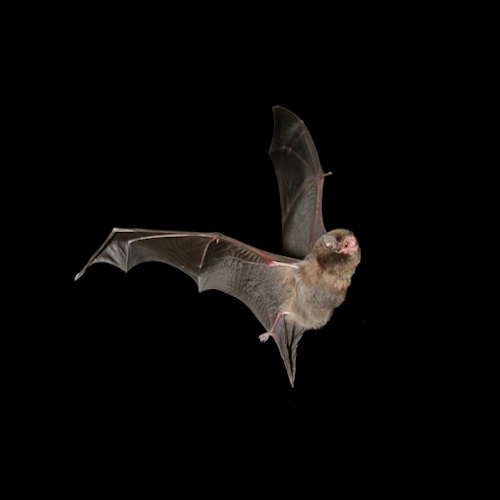
In this episode of Longevity Roadmap, host Buck Joffrey speaks with Dr Emma Teeling, a world-leading bat geneticist at University College Dublin, about why bats are extreme outliers in aging biology—and why their secrets matter for human longevity. Bats live far longer than expected for their size, resist cancer, and tolerate viruses that are deadly to humans, making them powerful natural models of healthy aging.
Key Points:
Bats seem to age unusually slowly by maintaining DNA repair and keeping inflammation tightly under control. Decoding these mechanisms could guide new approaches to extending human healthspan.
- Longevity rule-breakers: Bats can live 8–10 times longer than predicted by their small body size, with some wild individuals surviving for decades without obvious signs of biological aging.
- No typical age-related decline: Long-term field studies suggest bats rarely die from age-related disease or cancer, instead succumbing to predators, starvation, or environmental stress.
- Protected chromosomes: In the longest-lived bat species, telomeres do not shorten with age, hinting at a way to preserve cellular youth without triggering cancer.
- Exceptional DNA repair: As bats age, genes involved in DNA repair and cell-cycle control become more active, helping prevent the buildup of cellular damage.
- Finely tuned immune systems: Bats mount strong antiviral responses but rapidly switch on anti-inflammatory pathways, avoiding the chronic inflammation that drives aging in humans.
Visit website: https://www.youtube.com/watch?v=Ktb3HJmemZ8
See also
Longevity Roadmap Podcast
Podcast on science-backed strategies to slow aging and boost health with Buck Joffrey
Details last updated 26-Dec-2025
Mentioned in this Resource