Key points from article :
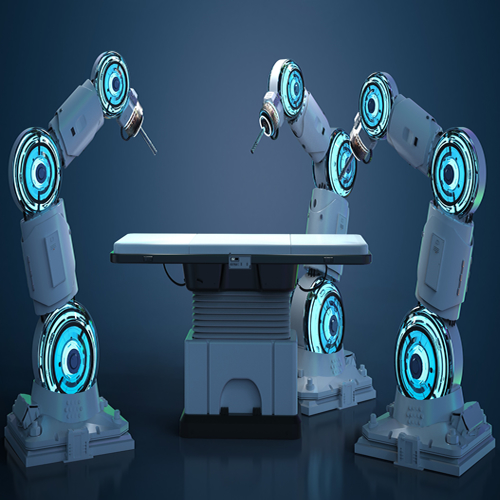
Elon Musk has claimed that Tesla’s humanoid robot, Optimus, will outperform the world’s best human surgeons within just three years. Speaking on the Moonshots podcast with physician and engineer Peter Diamandis, Musk argued that medicine suffers from a shortage of highly skilled doctors, long training times, and inevitable human error. In his view, AI-powered robots could scale surgical expertise far beyond what humans alone can achieve, potentially producing more top-tier “robot surgeons” than there are surgeons worldwide.
Musk’s optimism, however, is strongly challenged by experts. Writing in The Independent, bioethicist Professor Arthur Caplan of New York University’s Grossman School of Medicine called the claim “not credible.” He pointed out that progress in robotic surgery has been slow and limited to specific procedures, and that many fields—such as brain, cardiac, pediatric, and reconstructive surgery—depend heavily on human judgment, adaptability, and even artistry. According to Caplan, the variability of human bodies and the need to rigorously compare patient outcomes mean it will take many years, if not decades, before robots could match skilled surgeons across the board.
While Caplan agrees that automation is already reshaping parts of healthcare—such as radiology and pathology—he argues that fully autonomous surgery remains far more complex, likening it to the unresolved challenges of self-driving cars. Beyond technical hurdles, Musk has also raised eyebrows with comments about building a “robot army,” reported by Wired, highlighting concerns about control, ethics, and public trust. Together, the debate underscores a familiar pattern: rapid advances in AI paired with bold predictions, tempered by the slower realities of medicine, safety, and human complexity.