The metabolic tug-of-war between exercise and tumours
New Scientist - 01-Dec-2025Exercise cuts tumour growth by 60% by diverting glucose to muscle
Associate Professor Term of Cellular & Molecular Physiology at Yale School of Medicine
Rachel Perry is an Associate Professor at Yale School of Medicine, working across Cellular & Molecular Physiology, Endocrinology, and Comparative Medicine. Trained in biomedical engineering and physiology, she pioneered the use of stable-isotope tracer methods to probe metabolic flux in live animals — techniques she originally applied to diabetes and liver disease research. Her lab now focuses on how systemic metabolic states such as obesity, insulin resistance or exercise influence tumour growth, immunometabolism, and response to cancer treatments. Beyond her research, Perry is deeply committed to mentorship, guiding students and trainees at multiple levels and striving to foster a diverse and inclusive scientific community.
Visit website: https://medicine.yale.edu/profile/rachel-perry/
See also
Details last updated 02-Dec-2025
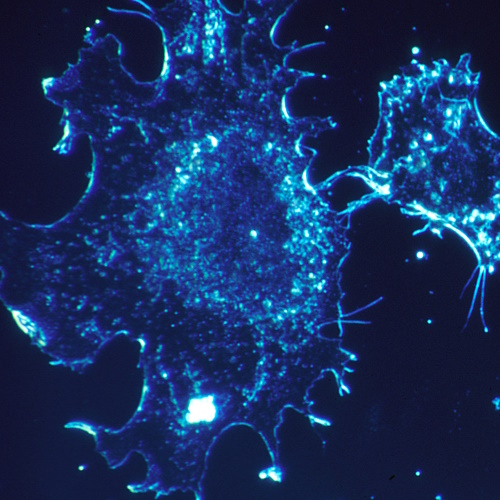
Exercise cuts tumour growth by 60% by diverting glucose to muscle