Key points from article :
This article, written by Robert Pearl, M.D. for Forbes, explores how generative AI combined with advanced surgical robotics may redefine the future of surgery and disrupt long-standing divisions within the medical profession. Pearl begins by describing the traditional split between “cognitive” specialties (like primary care and neurology) and “interventional” fields (such as cardiology, orthopedics and surgery). Historically, diagnostic experts dominated, but innovations like CT and MRI imaging — followed by minimally invasive tools — shifted prestige toward procedural specialists. Today, a new technological shift is underway that could upend this hierarchy once again.
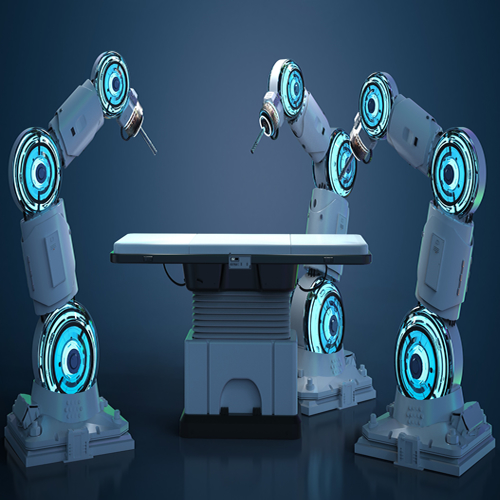
Pearl explains that generative AI is now capable of outlining complex surgical steps, and when trained on thousands of real operative videos paired with corresponding surgeon hand movements, it could eventually direct robotic systems to perform operations autonomously. Modern surgical robots already deliver unmatched precision through tiny incisions, making them an ideal platform for AI integration. Because human anatomy is far more predictable than chaotic real-world environments, this training could resemble — and may surpass — the progress seen in self-driving cars. Regulators, Pearl notes, will be able to validate AI-performed procedures by comparing blind-reviewed surgical footage against operations performed by human experts.
Turning to what this means for healthcare, he argues that autonomous or semi-autonomous surgery will require significant changes in training, payment systems and medical culture. Surgical residency programs may need to shift, producing fewer hands-on proceduralists while increasing primary-care training — especially as simple operations become automated but complex cases still require expert judgment. Payment models must also evolve from fee-for-service to bundled payments to encourage efficiency and prevention rather than longer, more expensive procedures. Culturally, clinicians may initially resist technology that threatens autonomy or income, but economic pressures and improved outcomes will likely drive adoption, particularly in underserved communities where specialist access is limited.
Ultimately, Pearl suggests that AI-enabled surgical robotics could blur the lines between cognitive and procedural specialties, making surgery safer, more consistent and more accessible — and potentially marking the next major inflection point in the evolution of modern medicine.