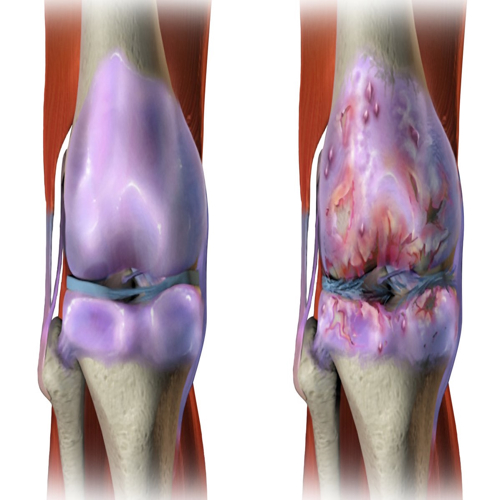
Key points from article :
Scientists at Stanford Medicine have discovered a small molecule that can stimulate the regeneration of damaged joint cartilage in aged mice, raising hopes for new treatments for osteoarthritis. The experimental therapy works by blocking an enzyme called 15-PGDH, which becomes more abundant with age and appears to limit the body's natural ability to repair cartilage.
In the study that was published in the journal Science, older mice treated with the inhibitor developed thicker, healthier cartilage that closely resembled that of much younger animals. The treatment also reduced cartilage damage and pain in mice with osteoarthritis caused by joint injury. Rather than relying on stem cells, the therapy appears to reprogramme existing cartilage cells, encouraging them to return to a healthier, more regenerative state.
The researchers also tested the approach on samples of human cartilage taken during knee replacement surgery. The treated tissue showed signs of renewed cartilage production and reduced inflammation, suggesting the same biological pathway may operate in people. However, the therapy has not yet been tested in humans for osteoarthritis, and clinical trials will be needed to determine whether it is safe and effective.
Although still in its early stages, the research offers a promising new strategy for tackling osteoarthritis by repairing damaged cartilage rather than simply relieving pain. If successful in future clinical studies, it could one day reduce the need for joint replacement surgery and improve quality of life for millions of people living with arthritis.