Key points from article :
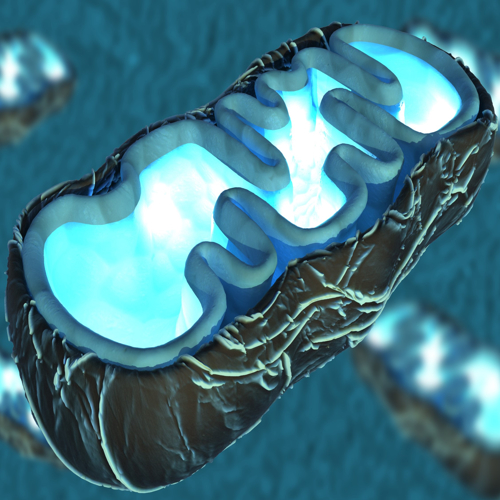
Researchers have developed experimental drugs that gently push the mitochondria—the cell’s “power plants”—to burn more calories, potentially opening new paths for treating obesity and improving metabolic health. The study was led by Associate Professor Tristan Rawling at the University of Technology Sydney and published in Chemical Science, the Royal Society of Chemistry’s flagship journal, where it was highlighted as a “pick of the week.”
The team focused on compounds known as mitochondrial uncouplers, which make cells less efficient at converting food into usable energy (ATP). Instead, more fuel is burned and released as heat, forcing cells to consume extra fats. Rawling compares this to a leaky hydroelectric dam: some energy bypasses the turbines and is lost as heat rather than being converted into electricity. This concept has been known for decades, but earlier uncouplers—most notoriously the chemical DNP—were dangerously toxic and even fatal, leading to their ban as weight-loss drugs.
In the new work, scientists carefully tweaked the chemical structures of uncouplers to create much milder versions. Some of these experimental molecules successfully boosted mitochondrial activity without harming cells or shutting down normal energy production, while others still triggered unsafe effects. Comparing the two helped the researchers understand how to fine-tune uncoupling to stay within safe limits.
Beyond weight loss, mild mitochondrial uncouplers may offer broader benefits, including reduced oxidative stress, improved metabolic health, and possible protection against age-related and neurodegenerative diseases. Although the research is still at an early stage, it provides a promising blueprint for designing safer drugs that harness the metabolic advantages of uncoupling without the historical risks.