Key points from article :
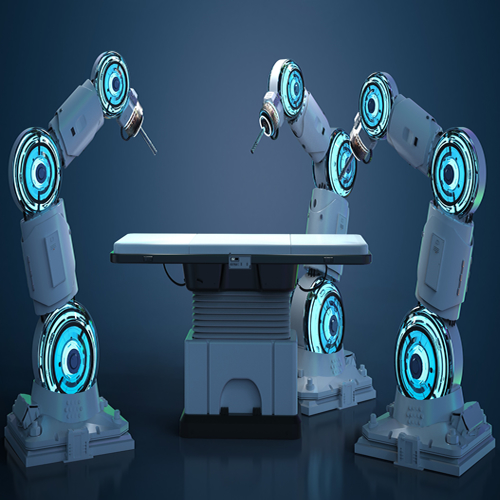
Robots are beginning to take on one of medicine’s most routine jobs: drawing blood. Instead of relying on a human to find a vein by sight or touch, robotic systems can use imaging technology, such as ultrasound, to locate a suitable vein, guide the patient’s arm into position, insert the needle and collect the sample.
The aim is not to replace the human care involved in medicine, but to make a common procedure more reliable and efficient. Blood tests are carried out millions of times every day, and even small improvements could reduce delays, failed attempts and pressure on healthcare staff.
For patients, the key issue is likely to be trust. A blood-drawing robot does not need to seem friendly or human, but it does need to give clear instructions, behave predictably and make it obvious when a clinician can step in.
This kind of automation may become more common in healthcare not through dramatic science-fiction breakthroughs, but through quiet improvements to everyday tasks. Drawing blood is routine, but doing it faster, more accurately and with fewer complications could make a real difference.