Key points from article :
A new partnership between Made Scientific and Cellergy Therapeutics could bring an experimental mitochondrial therapy one step closer to being tested in people.
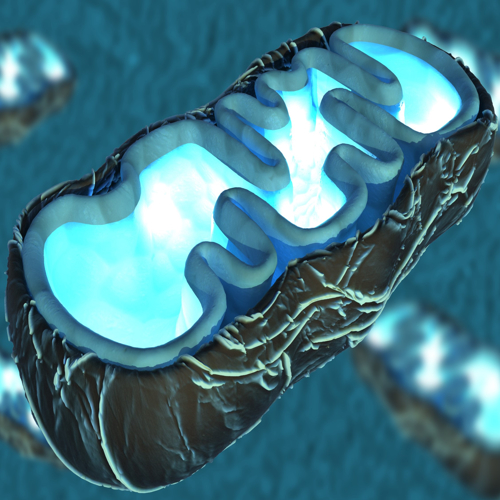
The treatment, known as CLG-001, is being developed by Cellergy Therapeutics and is designed around mitochondria, the tiny structures inside cells that help produce the energy our bodies need to function. When mitochondria do not work properly, cells can struggle to produce enough energy, and this has been linked to a range of health problems, including metabolic disorders, neurodegenerative diseases and some age-related conditions.
CLG-001 takes a different approach from traditional medicines. Instead of using a drug to change how cells behave, the therapy uses mitochondria taken from healthy donors. These mitochondria are purified and prepared with the aim of helping restore energy production in cells affected by mitochondrial dysfunction.
The idea is still at an early stage, and the therapy has not yet been proven safe or effective in people. The new partnership is focused on solving one of the biggest challenges in bringing such a treatment into clinical use: manufacturing it to a standard that regulators will accept.
Made Scientific specialises in developing and manufacturing advanced cell therapies. Under the agreement, the company will work with Cellergy to improve the way healthy mitochondria are isolated, purified and prepared for clinical-grade production.
This is important because experimental therapies must be made under strict quality and safety rules before they can be used in clinical trials. Small differences in how a biological therapy is produced can affect its quality, consistency and safety, so manufacturing is a major part of the development process.
The companies plan to create a manufacturing pathway that follows Good Manufacturing Practice, or GMP, standards. These rules are designed to ensure that treatments are produced consistently and under carefully controlled conditions.
The goal is to prepare CLG-001 for a Phase I clinical trial in the United States. Phase I studies are usually the first time a new treatment is tested in humans and mainly focus on safety, tolerability and finding an appropriate dose. The companies are also preparing for possible use of the therapy under Israel’s compassionate-use programme.
Cellergy believes that restoring cellular energy could eventually offer a new way to treat conditions where mitochondrial problems play an important role. However, that possibility will need to be tested carefully.
Mitochondrial medicine is still an emerging area. While scientists have known for decades that mitochondria are essential for energy production, turning that knowledge into effective treatments has proved difficult. Therapies that directly introduce healthy mitochondria are particularly experimental, and researchers still need to answer important questions about how long the mitochondria remain active, where they go in the body and whether they improve meaningful health outcomes.
The partnership between Made Scientific and Cellergy does not mean CLG-001 is ready for routine medical use. Instead, it marks an important development step: moving from laboratory research toward a version of the therapy that can be manufactured consistently enough for formal human testing.
If future clinical trials show that the treatment is safe and effective, it could help establish a new category of therapies focused on repairing or replacing damaged cellular energy systems.
For now, the biggest development is not a medical breakthrough, but progress toward answering the questions that matter most. CLG-001 is moving closer to the clinic, where researchers will finally be able to test whether restoring mitochondria can translate into real benefits for patients.