Key points from article :
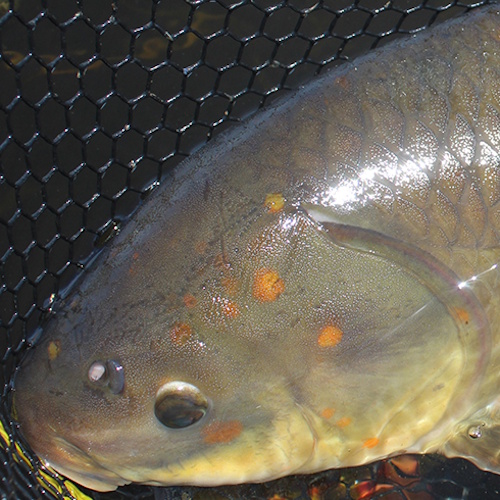
Some lake sturgeon swimming in North America's Great Lakes may have been alive for hundreds of years, according to new research that suggests the remarkable fish can live much longer than scientists previously believed.
Lake sturgeon are often described as "living dinosaurs" because their ancestors date back around 150 million years. Earlier research suggested the fish could live for roughly 150 years. But a new analysis indicates that some females could potentially reach about 427 years of age.
Researchers did not discover a 427-year-old fish. Instead, they estimated possible lifespans by studying decades of information about how lake sturgeon grow.
The research used 44 years of data collected from five lake sturgeon populations. Over the years, scientists captured fish, recorded their size and sex, marked them and then released them back into the water. When previously marked fish were caught again, researchers could see how much they had grown.
This matters because fish continue growing throughout their lives. By comparing a sturgeon's size with the speed at which it grows, researchers can estimate how long it might take the animal to reach a certain length.
Their calculations produced some surprising results.
Male lake sturgeon reaching around 63 inches in length were estimated to potentially live between 90 and 279 years. Larger females measuring about 71 inches could have estimated lifespans ranging from 99 to 427 years.
If the upper estimate is accurate, lake sturgeon would rank among some of the world's longest-lived vertebrates. Their possible lifespan approaches that of Greenland sharks, which are known for living for several centuries.
Lake sturgeon are also impressive because of their size. They are among North America's largest freshwater fish and can weigh hundreds of pounds. Their growth can vary depending on their surroundings and access to food, including small fish and mollusks found along lake and river bottoms.
The findings are particularly important because lake sturgeon populations have fallen dramatically. Historical populations in the Great Lakes once numbered in the millions, but only a small fraction remain today.
Their unusual life cycle makes recovery difficult. Lake sturgeon take many years to mature, with females sometimes not reproducing until they are between 15 and 25 years old. As a result, losing mature fish can have consequences that last for decades.
Heavy fishing contributed to a major decline in sturgeon numbers during the late 1800s. Today, the species also faces pressures from pollution, changes to rivers and other habitats, infrastructure and a changing climate.
Knowing that these fish may live for centuries could influence how conservation programs are designed. A species capable of surviving for hundreds of years may also need much longer timelines to recover after its population declines.
The study provides a new perspective on an animal that was already considered ancient. Some lake sturgeon alive today could potentially outlive several human generations, making their protection not simply a short-term wildlife issue, but a conservation effort that may need to continue for centuries.
The study, conducted by researchers from Michigan State University, was published in the Journal of Fish Biology.